
Introduction
You see them every morning in your kitchen. You stack them in your pantry. You might even let your kids cut them up for school projects. But have you ever stopped to ask, what are cereal boxes actually called?
The simple answer is a cereal carton. This is the most common and technically accurate name for the paperboard container that holds your breakfast. The term “carton” specifically refers to a box made from paperboard, a thick paper-based material. Understanding this basic packaging term helps you communicate more effectively, whether you are a consumer or a business owner looking for custom packaging solutions like those offered by Muse Custom Boxes.
The Anatomy of a Cereal Box
A standard cereal box is a marvel of engineering. It is not just a single piece of cardboard. It is a carefully constructed package with specific parts.
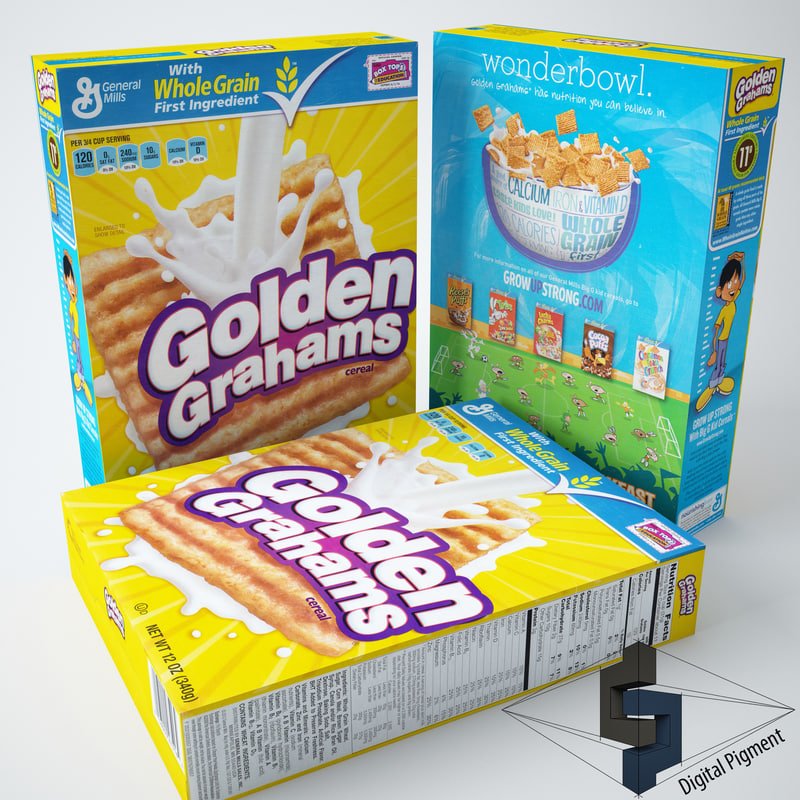
The outer shell is the printed paperboard carton you see on the shelf. This is the primary marketing vehicle for the cereal brand. Inside, you almost always find a protective plastic bag. This inner bag is crucial. It keeps the cereal fresh, prevents staleness, and protects the contents from moisture and pests. The bag is typically made from a food-safe, flexible plastic like polyethylene.
This two-part system, the rigid carton and the flexible inner bag, works together to ensure the product reaches you in perfect condition.
Common Names for Cereal Boxes
While “cereal carton” is the precise term, people use several other names in everyday conversation. This variety often depends on regional language or context.
Cereal Box: This is the most popular and widely understood colloquial term. People use “box” interchangeably with “carton,” even though “box” can refer to containers made from other materials.
Cereal Package: This term describes the complete unit. It includes both the outer carton and the inner bag. When you buy a “package” of cereal, you are referring to the entire product.
Cereal Container: This is a more generic name. It focuses on the box’s function as a storage vessel for the cereal after you open it.
For businesses operating in this space, such as those searching for cereal boxes in the USA, knowing these distinctions is important for marketing and product description.
The History and Evolution of the Cereal Carton
Cereal packaging has a fascinating history. It began in the late 19th century. Cereal was first sold in large, unbranded barrels from which shopkeepers would scoop it into simple paper bags. This was not sanitary or effective for brand recognition.
The shift happened with pioneers like John Harvey Kellogg and W.K. Kellogg. They began packaging their toasted corn flakes in individual boxes. The first cartons were plain and functional. The waxed paper bag liner was introduced later to combat staleness. This innovation was a major step forward in food preservation.
The 20th century saw the cereal carton transform into a marketing powerhouse. Bright colors, mascots, and games on the back turned the box into a key part of the consumer experience, especially for children.
Types of Cereal Box Designs
Not all cereal boxes are the same. The design often relates to the product inside and its target audience.
Standard Rectangular Box: This is the classic design. It is efficient for shipping, stacking on shelves, and storage. Most major brands use this familiar shape.
Family-Size Boxes: These are larger versions of the standard box. They hold more cereal and are designed for households with higher consumption.
Single-Serve Boxes: These small cartons are designed for individual portions. They are common in hotels, cafeterias, and for packed lunches. They often come with the cereal already in a bowl-ready container.
Special Edition and Marketing Boxes: Sometimes, companies release unique box shapes or designs tied to movie promotions, holidays, or other events. These are collectible and drive sales through novelty.
Why the Right Packaging Matters
Your cereal’s packaging is its first impression. A well-designed carton does more than hold food. It communicates brand value, attracts attention on a crowded shelf, and provides essential information to the consumer.
A strong design builds brand loyalty. Think about the iconic characters on many childhood cereal boxes. That brand recognition lasts for decades. The box also serves a practical purpose. It must protect the product through the supply chain, from the factory to the supermarket to your home. It needs to be durable enough to resist crushing.
For companies, choosing the right packaging partner is critical. Working with a specialist like Muse Custom Boxes ensures you get a carton that is both visually appealing and structurally sound.
The Future of Cereal Packaging
The cereal industry, like many others, faces growing pressure to adopt sustainable practices. The traditional cereal carton is already largely recyclable because it is made from paperboard. The main environmental challenge is the inner plastic bag.
The industry is exploring solutions. These include recyclable plastic films, compostable bio-plastics, and designs that use less material overall. Some brands are experimenting with fully recyclable pouches that eliminate the paperboard carton entirely. The future of cereal boxes in the USA and globally will likely involve a greater emphasis on reducing the overall environmental footprint while maintaining product freshness.
Finding the right packaging is a key business decision. The humble cereal carton is a complex and essential part of your breakfast routine. It has evolved from a simple functional item to a sophisticated piece of marketing and engineering. Knowing what to call it and how it works gives you a deeper appreciation for this everyday object.
For businesses looking to make their mark, the packaging is a silent salesman. If you are considering custom packaging for your product, focus on a design that is attractive, protective, and aligned with your brand’s values.
What has been your experience with cereal packaging? Do you have a favorite box design from your childhood? Share your thoughts in the comments below.