
INTRODUCTION
What is CBD packaging, why it matters, and how it affects product safety, compliance, and sales. Many CBD brands struggle with regulations, consumer trust, and shelf impact. This article answers those problems and gives practical steps to improve your packaging strategy.
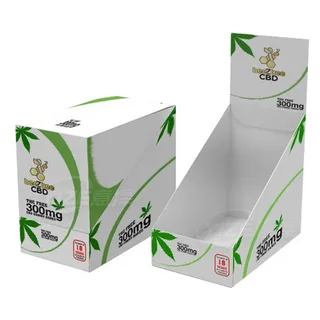
What CBD packaging includes 1. Primary packaging – Bottles for tinctures. – Jars for balms and topicals. – Sachets for single-dose products. 2. Secondary packaging – Boxes that hold the primary container. – Sleeves and cartons for retail display. 3. Tertiary packaging – Bulk shipping cartons. – Pallets and protective fillers for transport.
Why packaging matters for CBD products
Safety and product integrity
Blocks light and moisture to preserve cannabinoids.
Child-resistant closures prevent accidental ingestion.
Legal compliance and labeling
Display of cannabinoid content, batch numbers, and QR codes helps traceability.
State rules on THC limits and testing require clear labels.
Consumer trust
Professional packaging signals legitimacy.
Tamper-evident seals build confidence.
Regulatory requirements to follow
Labeling rules
List ingredients and concentration per serving.
Provide manufacturer contact and batch ID.
Child resistance
Many states require child-resistant closures for ingestible CBD.
Testing proof
Include QR codes linking to third-party lab reports, sometimes called COAs.
Claims control
Avoid medical claims. Use factual language about ingredients and usage.
Design principles for effective CBD packaging
Clarity
Use legible fonts and hierarchical layout for key facts.
Function
Prioritize closures that protect freshness.
Accessibility
Ensure text size works for older adults.
Sustainability
Select recyclable or reusable materials to lower waste.
Brand consistency
Keep color, logo, and tone consistent across SKUs.
Material options and their pros and cons
Glass
Pros: inert, premium feel, good barrier against oxygen.
Cons: heavier, fragile, higher shipping cost.
Plastic
Pros: lightweight, impact resistant, cost-effective.
Cons: may raise perceptions of lower quality, recycling depends on resin.
Paperboard boxes
Pros: printable, recyclable, flexible design.
Cons: less barrier protection without liners.
Mealtimes
Pros: durable, reusable.
Cons: limited for liquids, higher cost.
Printing, labeling, and traceability features
Variable data printing
Print batch numbers and expiry dates on each box.
QR codes
Link to COAs and product pages.
Tamper-evident seals and shrink bands
Show whether a product opened before purchase.
Holograms and security inks
Deter counterfeiting for premium SKUs.
Packaging testing and quality control
Stability testing
Store samples under heat and light to check cannabinoid retention.
Child-resistant testing
Conduct protocols required by regulation.
Drop and transit tests
Simulate shipping to avoid breakage.
Audit supplier certifications
Confirm materials meet food contact and safety standards.
Actionable tips for brands
Use clear hierarchy on labels
Place product name, concentration, and serving size at the top.
Add a QR code linking to a lab report
Ensure the link uses HTTPS and loads quickly on mobile.
Choose child-resistant closures for ingestible
Test them for user friendliness and compliance.
opt for opaque containers for light-sensitive formulas
Amber glass or coated plastic reduces degradation.
Work with packaging suppliers who know CBD rules
Ask for compliance documentation and past client references.
Design and marketing balance
Avoid health claims
Focus on factual product features and usage directions.
Use lifestyle imagery sparingly
Show product use scenarios without making medical promises.
Optimize for shelf and e-commerce
Create a box layout that looks strong in photos and in retail.
Recommendations for visuals
Use product photos showing package open and closed.
Include an infographic that maps labeling elements and their purpose.
Provide a short video demonstrating child-resistant function and unboxing.