
Introduction
When you receive a product in the mail or buy something at a store, the first thing you notice is the packaging. Packaging sleeves serve a critical role in product presentation, protection, and branding. If you’re running a business, you need to understand what packaging sleeves are and how they can benefit your products. This guide explains packaging sleeves in detail and shows you why custom packaging sleeves in USA have become essential for modern businesses.
Packaging sleeves wrap around your products to create a professional appearance. They protect items during shipping and storage. They also communicate your brand message to customers. Whether you sell cosmetics, electronics, food products, or books, the right packaging sleeve makes a difference.
What Exactly Are Packaging Sleeves?
Packaging sleeves are cylindrical or rectangular covers that slide over your product or product box. They function as an outer layer of protection and branding. Think of them as a jacket for your product.
The sleeve itself comes in various materials. Cardboard is the most common choice. Kraft paper offers an eco-friendly option. Corrugated material provides extra durability for heavier items. Plastic sleeves work for lighter products or moisture-sensitive applications.
Your product sits inside the sleeve or the sleeve wraps around an existing box. This design keeps the sleeve removable and replaceable. Customers can open it, use the product, and recycle the sleeve separately.
Different Types of Packaging Sleeves
Packaging sleeves fall into several categories based on how they function and what they protect.
Wrap-Around Sleeves
These sleeves wrap completely around a box or package. They lock at the back with tabs or adhesive. Retailers use wrap-around sleeves for books, board games, and boxed products. This type provides maximum brand visibility on store shelves.
Tube Sleeves
Tube sleeves are cylindrical and slide over round or cylindrical products. Cosmetic companies use these for deodorant sticks and lip balms. The tube structure gives excellent product visibility through windows in the sleeve.
Window Box Sleeves
These sleeves feature a clear window that lets customers see the product inside. Electronics packaging often uses this style. Customers want to see what they’re buying. Window sleeves build confidence in your product quality.
Sleeve Boxes
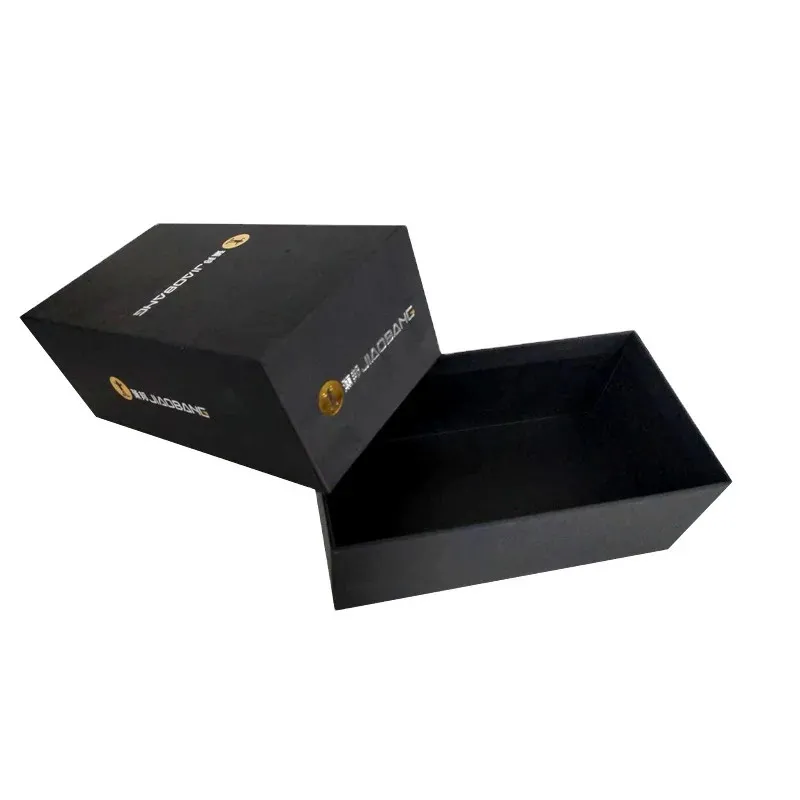
Sleeve boxes combine a base tray with a sliding sleeve on top. The product sits in the tray and the sleeve slides down to cover it. This design works well for luxury items like jewelry, cosmetics, or watches.
Custom Packaging Sleeves in USA
Many businesses now choose custom packaging sleeves to stand out. Custom options let you add your logo, company colors, and specific messaging. Mono Custom Boxes specializes in creating custom packaging sleeves that match your brand identity perfectly.
Why Businesses Choose Packaging Sleeves
Businesses select packaging sleeves for several practical reasons.
Brand Protection
Your packaging sleeve is your brand’s first impression. It tells customers who you are. Custom designs with your logo and colors create brand recognition. Studies show that consistent branding increases customer loyalty by 20 percent.
Cost Efficiency
Packaging sleeves cost less than full-box solutions. You use a basic inner box and add a custom sleeve on top. This approach reduces material waste and lowers your overall packaging expenses.
Sustainability
Many sleeves use recyclable cardboard or kraft paper. Customers appreciate eco-friendly options. Using recyclable packaging shows your commitment to environmental responsibility. This matters to modern consumers who make purchasing decisions based on sustainability.
Product Protection
Sleeves protect products from damage during shipping and storage. They prevent moisture from reaching sensitive items. They keep products clean during warehouse handling.
Marketing Opportunity
Your sleeve is advertising space. You can print product information, usage instructions, or promotional messages. This additional communication builds customer relationships.
Easy Unboxing Experience
Customers enjoy the unboxing experience. A quality sleeve makes removal easy. Some businesses create Instagram-worthy packaging that customers share on social media. This creates free word-of-mouth marketing.
Material Options for Custom Packaging Sleeves
Your material choice affects durability, cost, and brand perception.
Cardboard
Cardboard is lightweight and affordable. It prints beautifully. Most businesses use cardboard for standard custom packaging sleeves in USA. It works for most product types and shipping methods.
Kraft Paper
Kraft paper signals an eco-conscious brand. It has a natural, rustic appearance. Businesses in the organic food, sustainable fashion, and artisan product space choose kraft paper. It costs slightly more than standard cardboard but resonates with environmentally aware customers.
Corrugated Material
Corrugated cardboard has a wavy inner layer that provides strength. Use corrugated sleeves for heavy products or products requiring extra protection. Electronics and tools often ship in corrugated sleeves.
Plastic Film
Plastic sleeves work for lightweight items. They protect against moisture and dust. However, customers increasingly prefer paper options due to environmental concerns. Use plastic only when your product specifically requires moisture protection.
Key Features to Consider
When selecting packaging sleeves, evaluate these features.
Thickness
Thicker material provides better protection but increases costs. Standard thickness ranges from 0.015 to 0.025 inches. Match thickness to your product weight and shipping method.
Finish Options
Gloss finish looks shiny and premium. Matte finish appears sophisticated and modern. Uncoated kraft has a natural appearance. Your finish choice should align with your brand image.
Printing Quality
Full-color printing showcases your branding. Some sleeves include metallic or spot colors for luxury appeal. High-resolution printing makes images and text crisp.
Size Customization
Your sleeve must fit your product perfectly. Too loose and the product shifts during shipping. Too tight and customers struggle to open it. Mono Custom Boxes helps you determine exact dimensions.
Additional Features
Perforated edges make sleeve removal easy. Window cutouts let customers see your product. Embossing adds texture and premium feel. Die-cut shapes create unique designs that stand out on shelves.
How to Order Custom Packaging Sleeves in USA
Ordering custom sleeves involves several steps.
Measure Your Product
Measure length, width, and height of what you’re packaging. Include any space buffer so the sleeve slides easily. Provide these measurements to your supplier.
Choose Your Material and Finish
Decide between cardboard, kraft, or corrugated. Select gloss, matte, or uncoated finish. Each choice affects your final cost and appearance.
Design Your Sleeve
Work with a designer to create your artwork. Include your logo, brand colors, and product information. Ensure text is legible and colors match your brand guidelines. Submit artwork in high-resolution format.
Request Samples
Always request a sample before ordering large quantities. A sample lets you feel the material, check print quality, and confirm sizing.
Place Your Order
Minimum order quantities typically start at 100 units but vary by supplier. Bulk orders reduce per-unit costs significantly.
Manage Delivery
Lead times typically range from 10 to 20 business days. Plan your ordering around your inventory needs.
Common Applications of Packaging Sleeves
Packaging sleeves work across numerous industries.
E-Commerce
Online retailers use sleeves to create professional branded unboxing experiences. They add stickers, thank you notes, and product care instructions inside sleeves.
Cosmetics and Beauty
Beauty brands use tube sleeves and sleeve boxes for lipstick, mascara, and skincare products. The sleeve often showcases before and after results or ingredient lists.
Electronics
Tech companies use window box sleeves to let customers see device color and design. Cables, chargers, and accessories ship in sleeve packaging.
Food and Beverage
Coffee companies, chocolate makers, and beverage brands use sleeves for retail differentiation. Sleeves protect contents while communicating brand story.
Books and Media
Publishers use wrap-around sleeves for special editions. Vinyl records and DVDs ship in protective sleeves.
Luxury Items
High-end brands use premium sleeves for watches, jewelry, and fragrances. Sophisticated design and materials signal luxury positioning.
Sustainability and Environmental Impact
Modern consumers care about packaging impact. Packaging sleeves offer environmental advantages.
Reduced Material Usage
Sleeves use less material than full boxes. A sleeve plus basic box uses less cardboard than a custom printed full box.
Recyclability
Most cardboard and kraft sleeves are 100 percent recyclable. Communicate this on your packaging. Customers appreciate knowing the entire package is recyclable.
Reduced Shipping Weight
Lighter packaging means reduced shipping emissions. Lower weight also decreases shipping costs.
Reusable Design
Customers often reuse sleeves for storage or gift wrapping. This extends the product’s environmental impact period.
Comparison: Sleeves vs. Other Packaging Options
Understanding how sleeves compare helps you choose wisely.
Sleeves cost less than fully printed boxes while offering the same branding impact. Custom printed full boxes are costlier per unit and waste material if designs change.
Sleeves offer flexibility. You can change sleeve designs without changing your core box. This matters if you run seasonal campaigns or multiple product lines.
Full boxes provide more protection for extremely fragile items. Sleeves work better for standard products where the inner box provides sufficient protection.
Sleeves offer better sustainability profiles because they use less material overall.
Tips for Designing Effective Packaging Sleeves
Your design should communicate value and build brand connection.
Keep It Simple
Cluttered designs confuse customers. Use white space strategically. Focus on your main message.
Make Text Readable
Use font sizes large enough to read from arm’s length. Avoid light text on light backgrounds or dark text on dark backgrounds. High contrast makes text pop.
Include Essential Information
Product name, key benefits, usage instructions, and contact information should appear on your sleeve. Don’t assume customers know how to use your product.
Use Brand Colors Consistently
Your sleeve should match your website, social media, and in-store materials. Consistency builds recognition.
Add a Call to Action
Tell customers what to do next. “Follow us on Instagram.” “Visit our website.” “Share your unboxing.” Clear calls to action increase engagement.
Show Your Product Clearly
If using windows or photography, make your product the focus. Poor product photography hurts sales.
Pricing Considerations for Custom Packaging Sleeves in USA
Several factors affect sleeve pricing.
Quantity heavily influences per-unit cost. An order of 1000 units costs significantly less per sleeve than an order of 100 units. Plan ahead to order larger quantities when possible.
Material selection affects price. Kraft paper costs more than standard cardboard. Corrugated costs more than both. Plastic costs vary based on thickness and type.
Printing complexity impacts pricing. Full-color printing costs more than two-color printing. Specialty finishes like metallic inks or embossing add costs.
Size also matters. Large sleeves require more material. Small sleeves cost less. Unusual sizes require custom dies that increase costs.
Lead time can affect price. Rush orders typically cost more. Standard timelines are more economical.