
What Are CBD Products in the USA?
Introduction
The CBD market in America has grown rapidly over the past five years. Many people wonder what these products do, how they work, and whether they are legal. This article explains everything you need to know about CBD products in the USA, including how to choose quality options and what to expect when using them.
Understanding CBD: The Basics
CBD stands for cannabidiol. It comes from the cannabis plant. Unlike THC, another compound in cannabis, CBD does not produce a high. The 2018 Farm Bill legalized hemp-derived CBD at the federal level in the United States. This change opened the door for thousands of products to enter the market.
CBD works by interacting with your body’s endocannabinoid system. This system helps regulate sleep, mood, pain, and immune function. When you use CBD, it may influence how your body manages these processes. Research on CBD continues to grow, with scientists studying its potential effects on various health conditions.
Types of CBD Products Available in the USA
The CBD market offers many product formats. Each type works differently in your body and serves different needs.
Oils and tinctures are among the most popular options. You place drops under your tongue, and the product absorbs through your mouth tissue. This method works quickly, often within 15 to 30 minutes.
Edibles include gummies, chocolates, and beverages. These products taste pleasant and are easy to dose. However, they take longer to work because your digestive system must process them first. Effects typically appear within one to two hours.
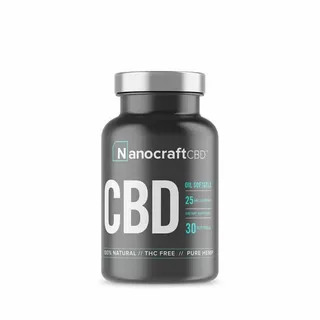
Capsules and pills offer precise dosing. You know exactly how much CBD you are taking. They work similarly to edibles but provide a straightforward way to track your intake.
Topicals come as creams, lotions, and balms. You apply them directly to your skin. People often use topicals for localized discomfort or skin care.
Flower and pre-rolls are dried CBD-rich cannabis buds. You smoke or vape them. This delivery method provides fast results but may not appeal to everyone.
Beverages infused with CBD have become popular. Coffee, tea, and water brands now offer CBD-enhanced options. You consume them like regular drinks while getting your CBD dose.
The Legal Landscape of CBD in America
Federal law permits CBD products derived from hemp that contain no more than 0.3 percent THC. However, state laws vary significantly. Some states have stricter regulations, while others have fewer restrictions.
Before purchasing CBD products, check your state’s specific laws. Certain states prohibit CBD entirely, while others allow it for medical purposes only. A few states permit recreational use similar to marijuana.
The FDA does not regulate CBD as a supplement or food ingredient in most cases. This means manufacturers do not need FDA approval to sell CBD products. However, the FDA prohibits companies from making health claims about their products. If a seller claims their CBD cures disease, they are breaking federal law.
Quality and Safety Considerations
Not all CBD products offer the same quality. Third-party testing is crucial. Reputable manufacturers send their products to independent labs. These labs verify CBD content and check for contaminants like pesticides, heavy metals, and mold.
Look for a Certificate of Analysis (COA) from the manufacturer. This document shows exactly what is in the product. If a company cannot provide a COA, avoid purchasing from them.
The source of the hemp matters. Hemp grown in regulated conditions in the United States typically meets higher standards than imported hemp. American cultivation practices often follow stricter guidelines.
Price varies widely in the CBD market. Extremely cheap products should raise concerns. Quality CBD costs money. Prices reflect farming practices, extraction methods, and testing standards.
CBD Boxes in USA: Packaging and Branding
Proper packaging protects CBD products and communicates important information to consumers. Companies like Muse Custom Boxes understand that CBD boxes in USA markets require specific design elements. These boxes must include dosage information, ingredient lists, and warning labels.
Good packaging protects CBD from light, air, and heat. These factors degrade CBD over time. Dark glass containers or opaque boxes help maintain product potency.
CBD boxes in USA retail environments must stand out while conveying professionalism. Custom packaging tells customers you take quality seriously. Clear labeling builds trust. Customers want to know exactly what they are buying.
Sustainable packaging appeals to many CBD consumers. Eco-friendly boxes made from recyclable materials reduce environmental impact. This choice reflects values that many CBD users share.
Dosage and Usage Guidelines
Finding your right CBD dose takes experimentation. Everyone’s body responds differently. Most people start low and gradually increase their dose until they feel results.
Typical starting doses range from 5 to 10 milligrams daily. Some people feel effects at this level. Others need 20 to 50 milligrams or more. A few people require doses above 100 milligrams daily.
Consistency matters more than occasional use. Your body builds up CBD over time. Taking CBD every day produces better results than sporadic use.
Keep a journal of your doses and how you feel. This tracking helps you find your optimal amount. Note any changes in sleep, mood, or physical sensations.
Talk to a healthcare provider before using CBD, especially if you take other medications. CBD can interact with certain drugs. Your doctor can advise whether CBD is appropriate for your situation.
What to Look for When Buying CBD Products
Read product labels carefully. You need to know the total CBD content and the amount per serving. Labels should list all ingredients and potential allergens.
Check customer reviews on multiple websites. Genuine feedback reveals product quality and effectiveness. Be skeptical of overly positive reviews on the seller’s own website.
Compare prices across several retailers. This comparison helps you identify fair pricing. Extremely low prices often indicate lower quality or even fake products.
Verify the company’s reputation. How long have they been in business? Do they have contact information? Established companies typically stand behind their products.
Ask whether the product is full-spectrum, broad-spectrum, or isolate. Full-spectrum contains all cannabis plant compounds. Broad-spectrum removes THC but keeps other compounds. Isolate contains only pure CBD. Each type offers different benefits for different people.
Common Misconceptions About CBD
Many people believe CBD gets them high. This is false. CBD alone does not produce intoxication. Products with less than 0.3 percent THC will not make you feel high.
Others think all CBD products are identical. They are not. Quality, potency, and ingredient lists vary significantly. Product selection matters.
Some assume CBD works immediately. Most forms of CBD take time to produce noticeable effects. Patience and consistency lead to better results than expecting instant changes.
People sometimes think more CBD packages always works better. This is not necessarily true. For many uses, moderate doses prove as effective as high doses. Finding your personal sweet spot works better than constantly increasing amounts.
The Importance of Transparency in the CBD Industry
Transparent companies build customer loyalty. They publish third-party test results. They explain their sourcing and manufacturing processes. They respond to customer questions.
Many reputable brands provide batch-specific COAs. This level of detail shows commitment to quality. You can verify that your specific product meets standards.
Companies that hide information or refuse to share test results deserve skepticism. Your trust matters, and manufacturers should earn it through openness.